When it comes to safety and comfort in outdoor areas — whether gardens, yards, patios, condominiums, or commercial outdoor spaces — many people believe pests only become a real problem once they enter the building. But the truth is that most infestations start outside, and ignoring the early signs outdoors is one of the most common and costly mistakes property owners make.
In this article, you’ll learn about the 7 most frequent outdoor pests, the risks they pose, and the best ways to protect your property effectively.
1. Mosquitoes — The Most Dangerous and Invisible Outdoor Threat
Mosquitoes are the most common and the most underestimated outdoor pest. Besides being persistent and annoying, they can carry several diseases, depending on the region.
The problem usually develops in:
-
Areas with standing water
-
Clogged gutters
-
Poorly drained gardens
-
Pools without proper maintenance
Risks:
– Disease transmission
– Constant discomfort
– Loss of clients in outdoor commercial areas
Solution:
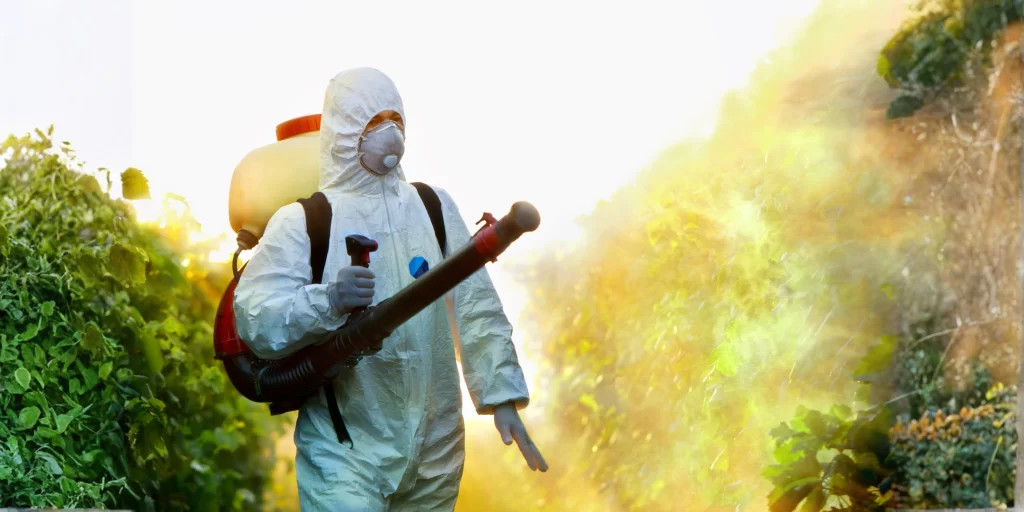
Strategic outdoor treatments, elimination of breeding sites, and scheduled applications drastically reduce mosquito populations.
2. Ants — Small, Numerous, and Surprisingly Destructive
Although ants may seem harmless, many outdoor species can cause significant problems:
-
Infest irrigation systems
-
Enter kitchens and storage areas
-
Attack people and pets (like fire ants)
-
Damage lawns, plants, and root systems
Risks:
– Allergic reactions and painful stings
– Colonies migrating into the home
– Damage to gardens and soft structures
3. Ticks — A Silent Threat to Pets, Children, and Adults
Ticks thrive in outdoor areas with tall vegetation, shade, and moisture. They often hide in:
-
Tall grass
-
Bushes
-
Areas near trails or wooded patches
Risks:
– Transmission of serious diseases
– Infestations in pets
– Subsequent indoor infestations
For properties with pets or public access, preventive control is essential.
4. Subterranean Termites — The Structural Enemy That Starts Underground
Subterranean termites usually begin their colonies underground, far from where the property owner can see them. They attack:
-
Decks
-
Wooden fences
-
Exterior structures
-
Tree roots
-
Foundations of houses and buildings
Risks:
– Severe structural damage
– High repair costs
– Migration into the main building
Chemical barriers and frequent inspections are the most effective defense.
5. Rodents — Experts at Using the Outdoors to Invade Your Property
Poorly maintained outdoor areas are perfect shelters for rodents.
They take advantage of:
-
Trash or debris
-
Unsealed garbage bins
-
Overgrown vegetation
-
Outdoor drains and pipes
Risks:
– Damage to wires and structures
– Food contamination
– Easy access to the interior
– Health risks for occupants
An outdoor control program significantly reduces the chance of indoor invasions.
6. Spiders — Indicators of Infestations and a Growing Outdoor Risk
Spiders typically start in outdoor areas, but many species enter homes and businesses searching for food and shelter. They thrive in:
-
Poorly lit gardens
-
Dense vegetation
-
Wood piles or stored debris
Risks:
– Painful bites
– Allergic reactions
– Scaring customers, visitors, and staff
Reducing small insects outdoors is key to reducing spider populations.
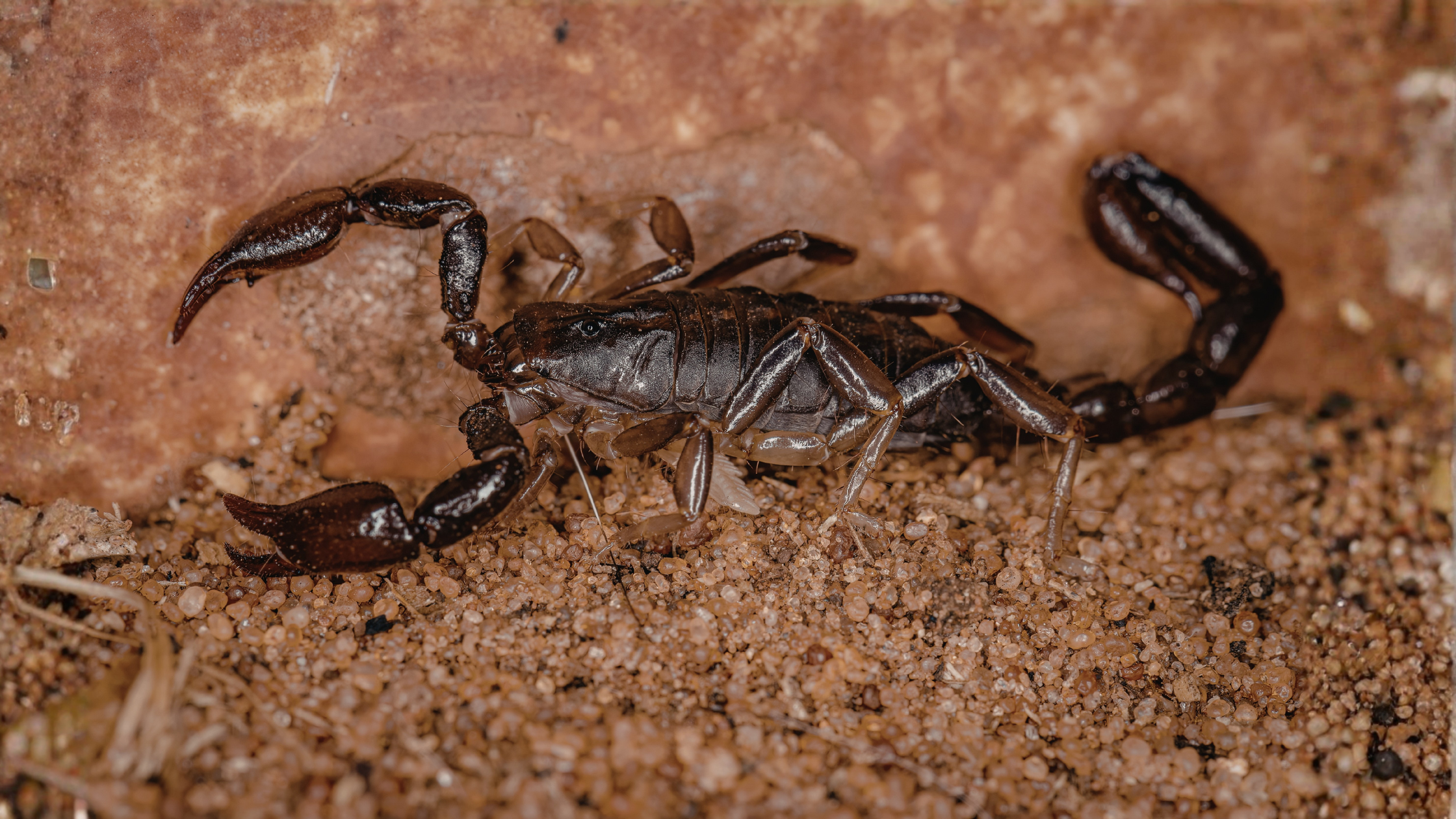
7. Scorpions — Dangerous Pests Hiding in Neglected Outdoor Areas
Scorpions use outdoor environments as their natural habitat, hiding in:
-
Piles of rocks
-
Stacked bricks
-
Debris
-
Cracks in concrete
-
Moist garden areas
Risks:
– Severe stings
– High danger for children and pets
– Potential migration into the home
Conclusion: The First Line of Defense Starts Outside
Most indoor infestations occur because pests first found favorable conditions outdoors.
Maintaining control of your garden, yard, or commercial outdoor area is essential to ensuring:
-
Safety
-
Comfort
-
Health
-
Structural preservation
-
Prevention of indoor infestations
Investing in outdoor pest control isn’t a luxury — it’s one of the most effective strategies to keep homes and businesses pest-free all year long.